Product data
| Name | Screw Barrel Solution for Bio-degradable Plastic Processing |
|---|---|
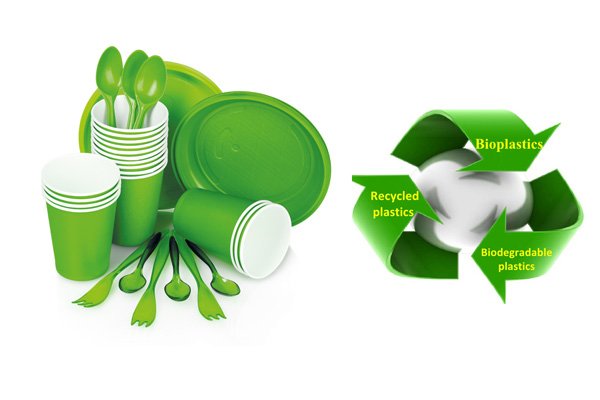
| Typical Application | PLA, PBAT, PBS, Starch-based blends |
| Process Method | Injection, Extrusion |
| Material Recommendation | 38CrMoAlA |
| Surface Treatment | Mirror Polish, Chrome Plating, PVD |
| Hardness | HV 900 - 1000 |
| L/D Ratio | 18:1 to 22:1 |
| Max Temperature | ≤ 220°C (428°F) |
Technical Challenges
- Biodegradable resins are thermally sensitive and degrade quickly under shear and residence time, causing discoloration and loss of mechanical properties.
- Starch-based blends are abrasive and hygroscopic, wearing screw flights and requiring thorough drying.
- Narrow processing window makes temperature control and melt homogeneity critical to avoid brittleness.
- Residual moisture drives hydrolysis, reducing molecular weight and part strength.
Rootier's Technical Solutions
- 01Stainless, electropolished screws and barrels that resist corrosion and prevent resin adhesion.
- 02Low-compression, low-shear screw geometry engineered to keep residence time short and temperature uniform.
- 03Mirror-polished melt channels and chrome plating for clean processing and easy colour changeover.
- 04Nitrided 38CrMoAlA components with controlled surface hardness for bio-resin service life.
- 05Optimized L/D ratio (18:1–22:1) balancing plasticising uniformity with gentle shear.
Frequently Asked Questions
PLA, PHA, PBAT, starch-based blends, PCL — each with unique thermal and rheological properties.
Packaging films/bags, disposable cutlery, agricultural mulch films, medical sutures/implants, eco-friendly consumer packaging.
Precise temperature control (narrow processing window), moderate shear design, L/D 20:1–24:1 for gentle processing.
Low thermal stability — depolymerizes above recommended temps; excessive shear causes localized heating, reducing molecular weight, mechanical properties, causing discoloration & brittleness.
Larger feed zones, lower compression ratios, optimized metering zone flight depth, efficient barrel cooling, and temperature profiles minimizing melt-zone residence time.