Problem
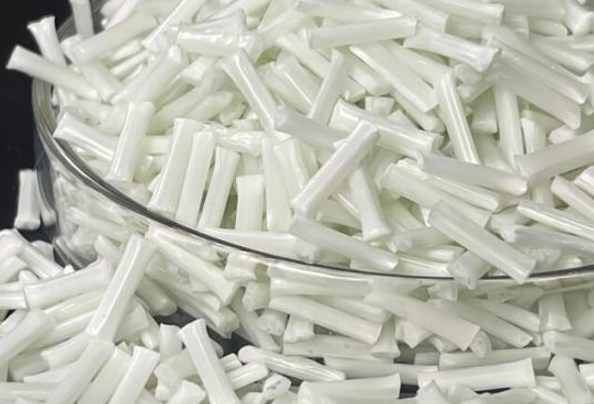
Long glass fiber (LFT) compounds lose fiber length and mechanical performance when processed with standard screws, while the fibers also cause rapid abrasive wear.
Typical Causes
- 01High shear and high compression break long fibers and reduce strength.
- 02Long fibers abrade screw flights and barrel bore aggressively.
- 03Long flow paths and restrictive geometries damage fiber length.
- 04Improper screw geometry designed for short-fiber or unfilled resins.
- 05Worn surfaces increase clearance and shear, worsening fiber damage.
Technical Challenges
- Preserving long fiber length for mechanical performance.
- Resisting abrasive wear over long campaigns.
- Achieving consistent fiber wet-out and dispersion.
- Maintaining part properties across the production run.
Rootier's Technical Solutions
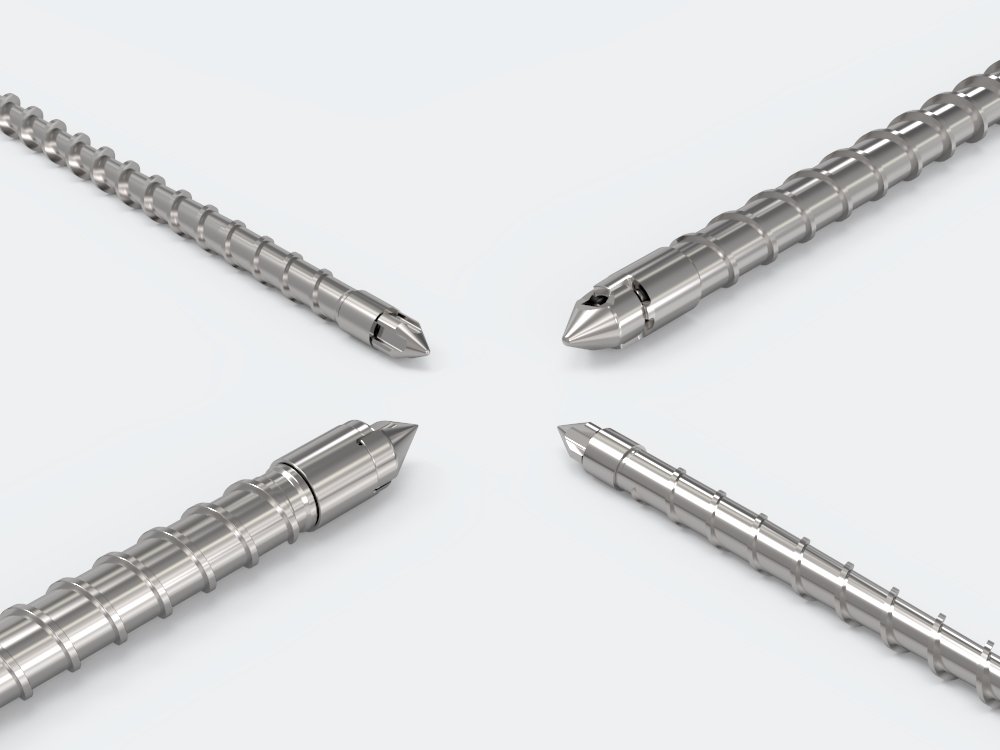
- 01Low-shear, low-compression screws engineered to protect fiber length.
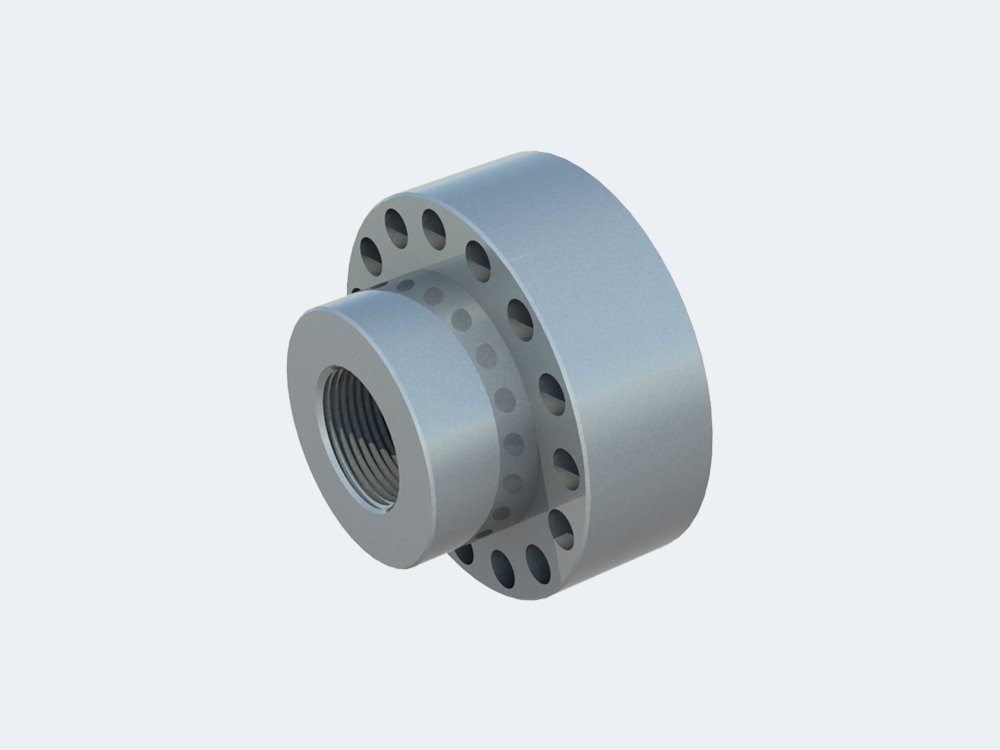
- 02Bimetallic barrels with wear-resistant liners for LFT compounds.
- 03Optimised geometry with minimal restrictive mixing sections.
- 04Wear-clad (HVOF / tungsten carbide) surfaces on high-wear areas.
- 05L/D and compression tuned to the fiber loading and resin system.
Recommended Products
Applications / Materials
Automotive structural LFT partsLong-fiber thermoplastic compoundingSporting goods and equipmentIndustrial and load-bearing components
Frequently Asked Questions
Use a low-shear, low-compression screw with minimal restrictive mixing sections. High shear and compression break long fibers and reduce the mechanical performance of LFT parts.
Bimetallic barrels and HVOF / tungsten carbide wear-clad screws resist the aggressive abrasion of long fibers while protecting fiber length.
Yes. ROOTIER designs low-shear, low-compression screw geometry and selects wear-resistant materials and surface treatments based on your fiber loading, resin and process.