Problem
Conventional hydraulic plasticizing runs the screw only in a fixed phase of the cycle, so melt preparation cannot overlap with mould opening, ejection or cooling — wasting cycle time and energy. Without a positive nozzle seal, open-mould plasticizing also causes drool and stringing.
Typical Causes
- 01Hydraulic plasticizing is tied to a single cycle phase and cannot overlap with other mould movements.
- 02Without a shutoff nozzle, plasticizing during mould open lets melt drool or string from the nozzle.
- 03Fixed-speed hydraulic drives waste energy on partial loads and long idle phases.
- 04Inconsistent screw recovery time stretches the overall cycle.
- 05Residual pressure and poor decompression extend the wait before mould open.
Technical Challenges
- Overlapping plasticizing with mould open, ejection and cooling to cut cycle time.
- Sealing the nozzle reliably so melt does not drool during synchronized plasticizing.
- Reducing energy consumption with efficient, on-demand electric drive.
- Keeping shot weight and melt quality repeatable across fast cycles.
Rootier's Technical Solutions
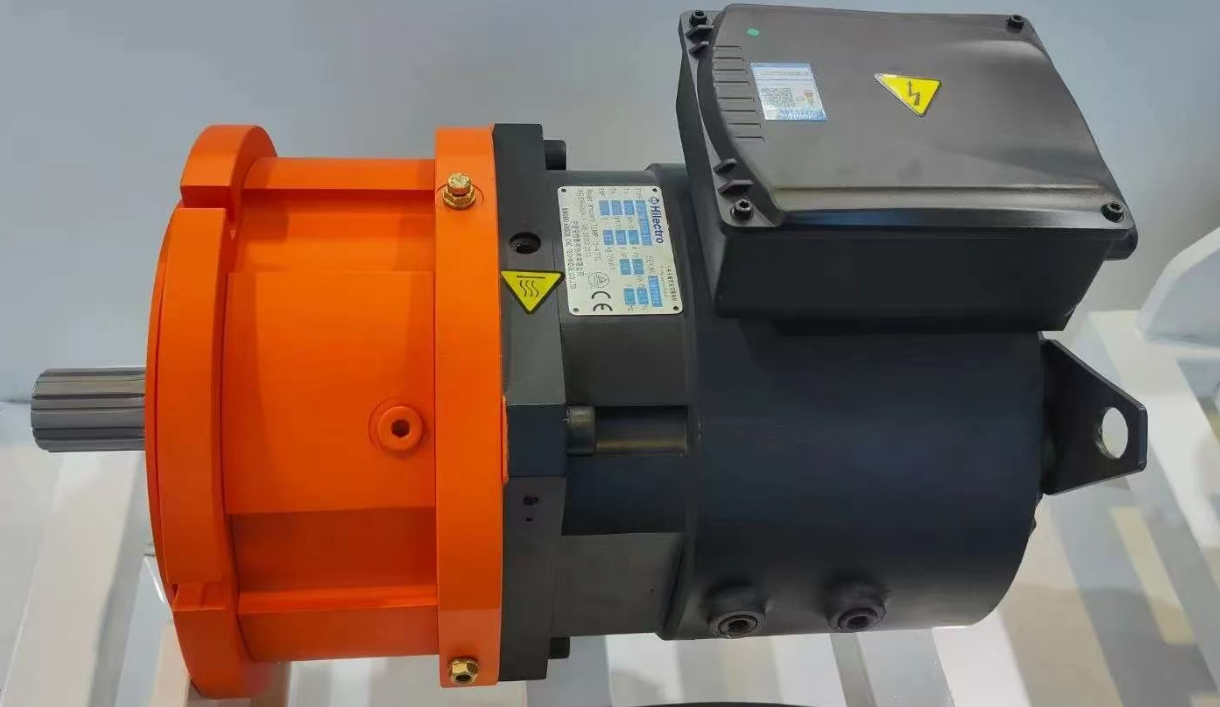
- 01Electric servo plasticizing that decouples screw rotation from the hydraulic system for on-demand, synchronized melt preparation.
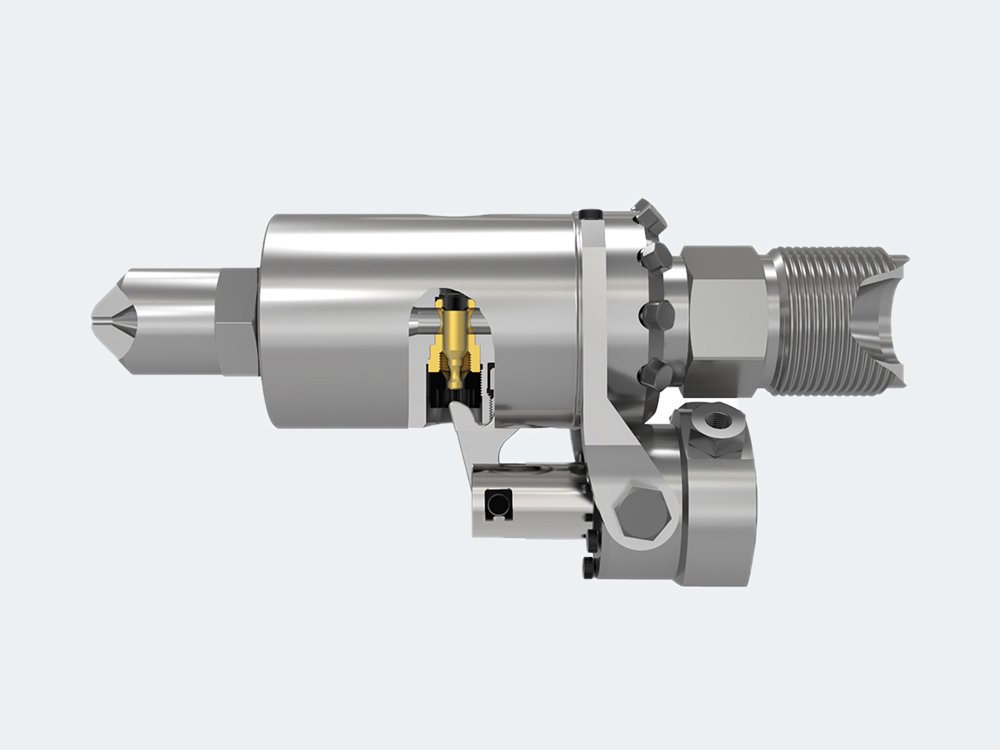
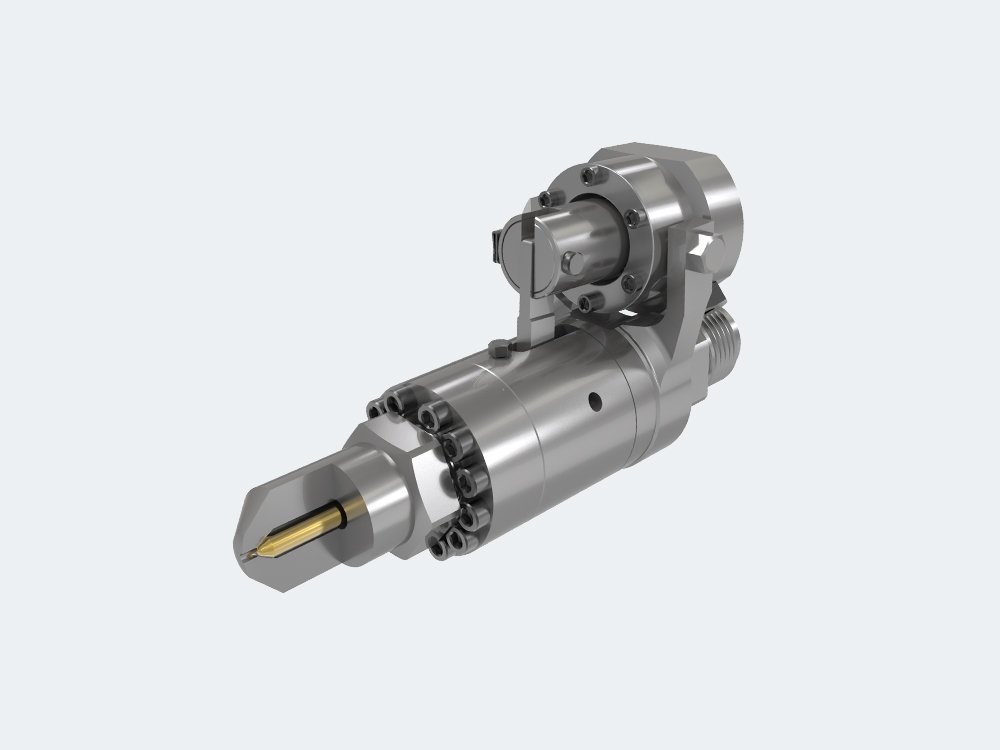
- 02Piston shutoff nozzles that positively seal the nozzle during mould-open plasticizing, stopping drool and stringing.
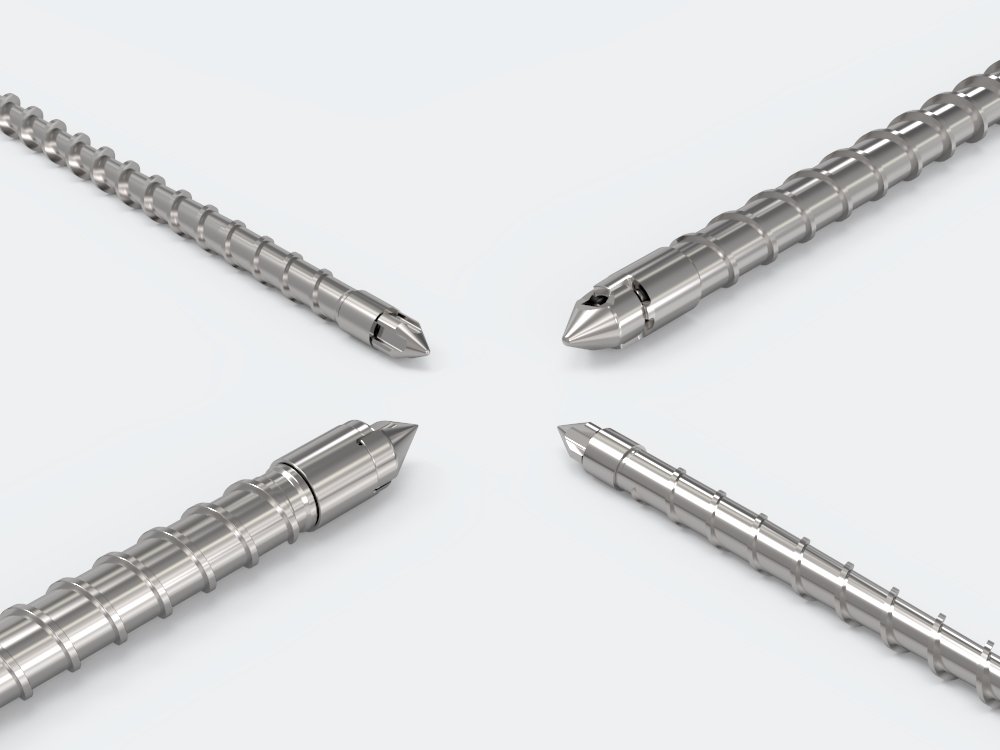
- 03Screw geometries tuned for fast, uniform recovery on electric injection units.
- 04Matched screw tips and check rings for repeatable dosing at short cycles.
- 05Process guidance on back pressure, screw speed and decompression to maximize the overlap window.
Recommended Products
Applications / Materials
Frequently Asked Questions
Electric plasticizing uses a servo-driven screw that rotates and builds up melt independently of the hydraulic system, so plasticizing can overlap with mould open, ejection and cooling. Paired with a piston shutoff nozzle that seals the nozzle during this overlap, the next shot is ready sooner and the cycle shortens.
During mould-open plasticizing the nozzle is no longer seated against the mould. A piston shutoff nozzle positively closes the melt channel so resin cannot drool or string, enabling safe, clean synchronized plasticizing.
Electric servo drives draw power only while plasticizing and hold position without continuous hydraulic flow, cutting idle energy use. Savings depend on the machine, resin and cycle, but overlapping plasticizing with cooling typically removes a dedicated plasticizing phase from the cycle.