Problem
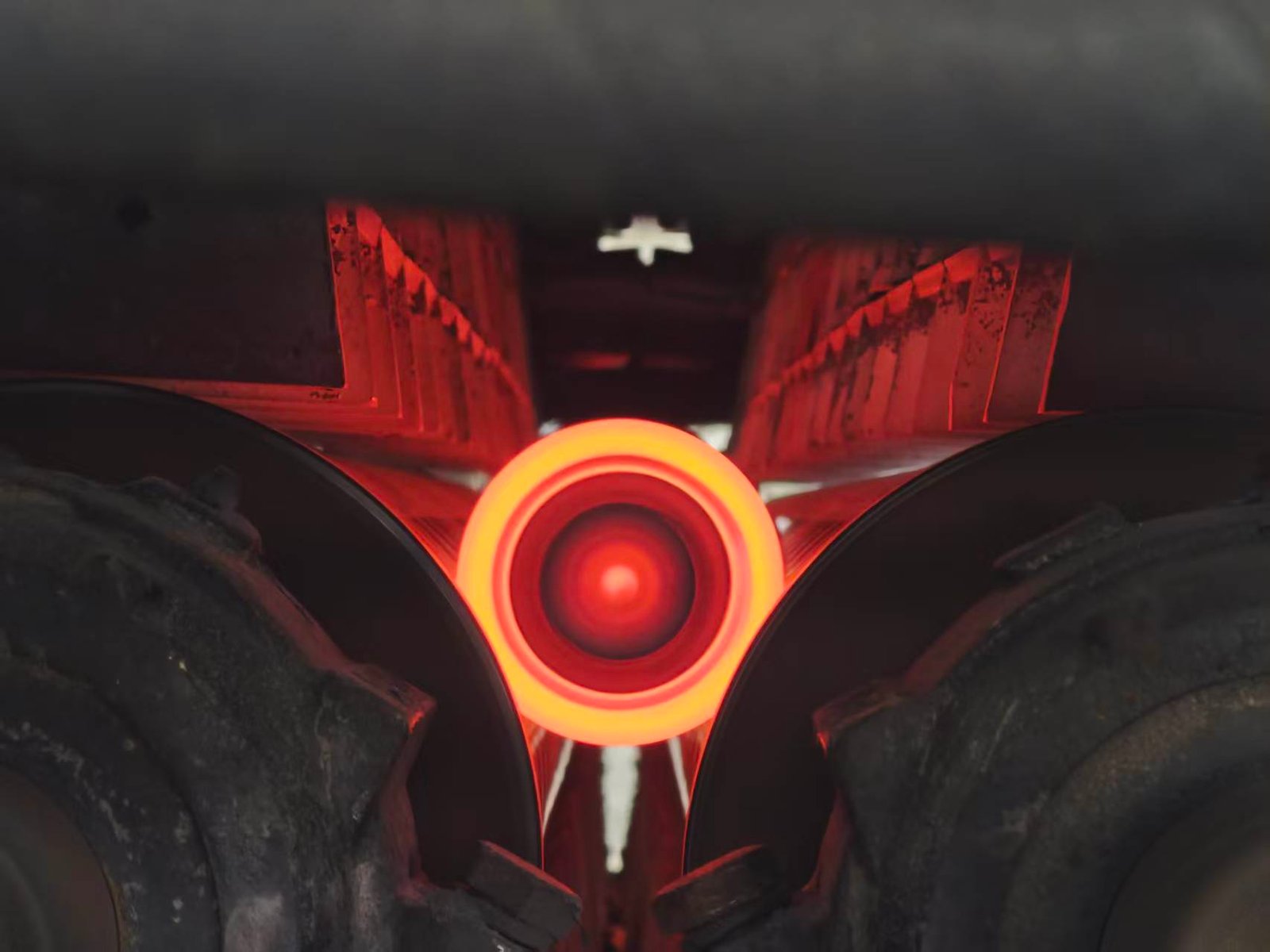
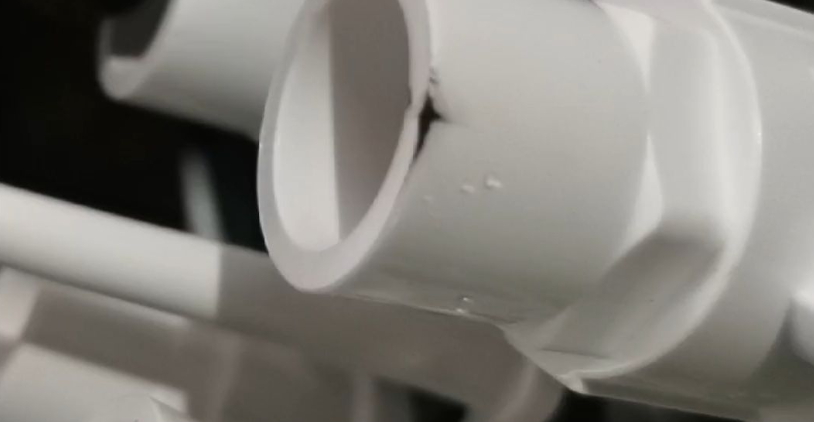
Thermal and mechanical degradation discolours the melt, weakens parts and produces defects such as splay, black specks and burn marks.
Typical Causes
- 01Excessive residence time in an oversized barrel or long cycle.
- 02High melt temperature from aggressive shear or overheated zones.
- 03Dead zones and stagnation areas where material sits and burns.
- 04Worn screw flights creating uneven flow and localised overheating.
- 05Contamination and cross-contamination during material changes.
Technical Challenges
- Maintaining melt quality and material integrity.
- Avoiding thermal history across long cycles and stoppages.
- Keeping consistent output and color.
- Minimising black specks and splay on cosmetic parts.
Rootier's Technical Solutions
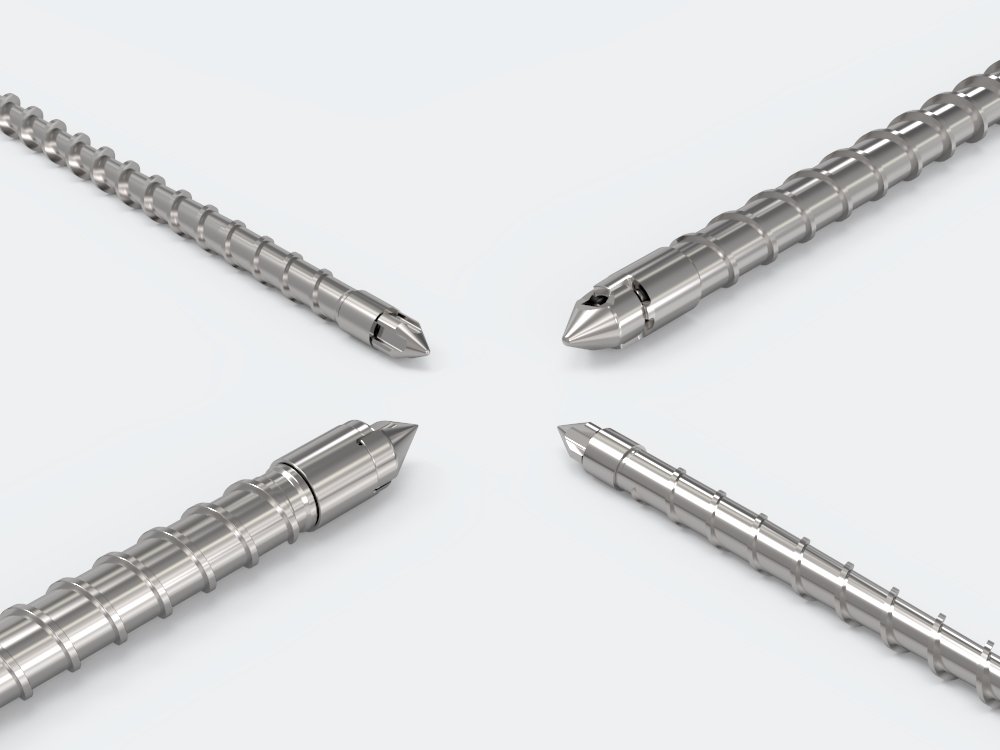
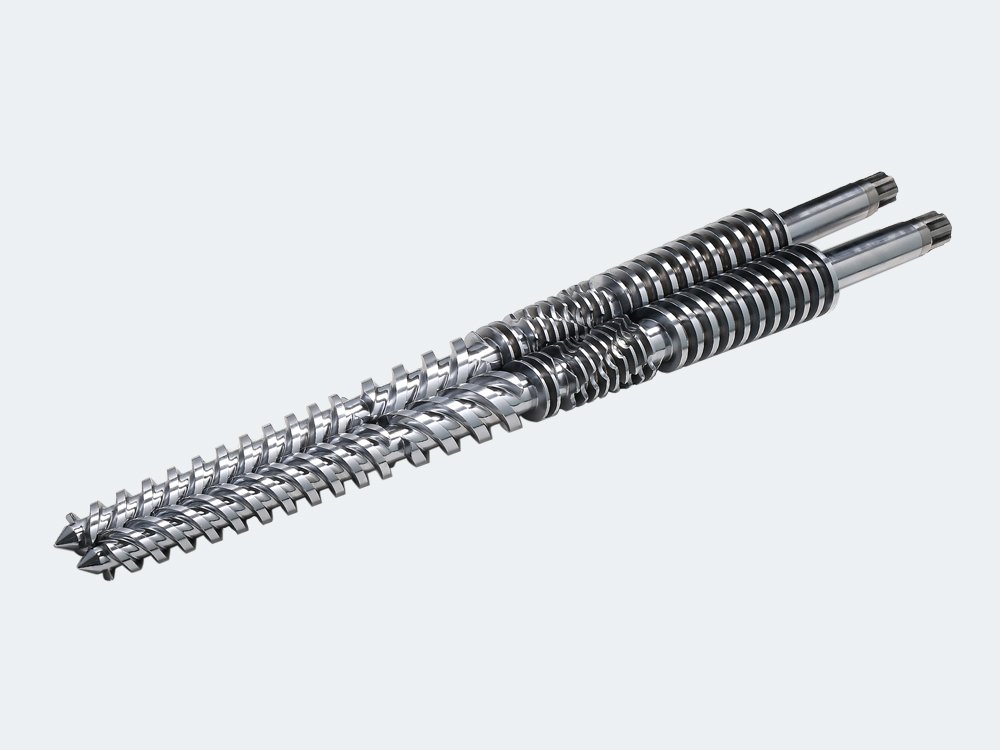
- 01Low-shear screw geometry that melts gently without overheating.
- 02Smooth, electropolished surface treatments that eliminate dead zones.
- 03Right-sized L/D and compression to match the resin and cycle.
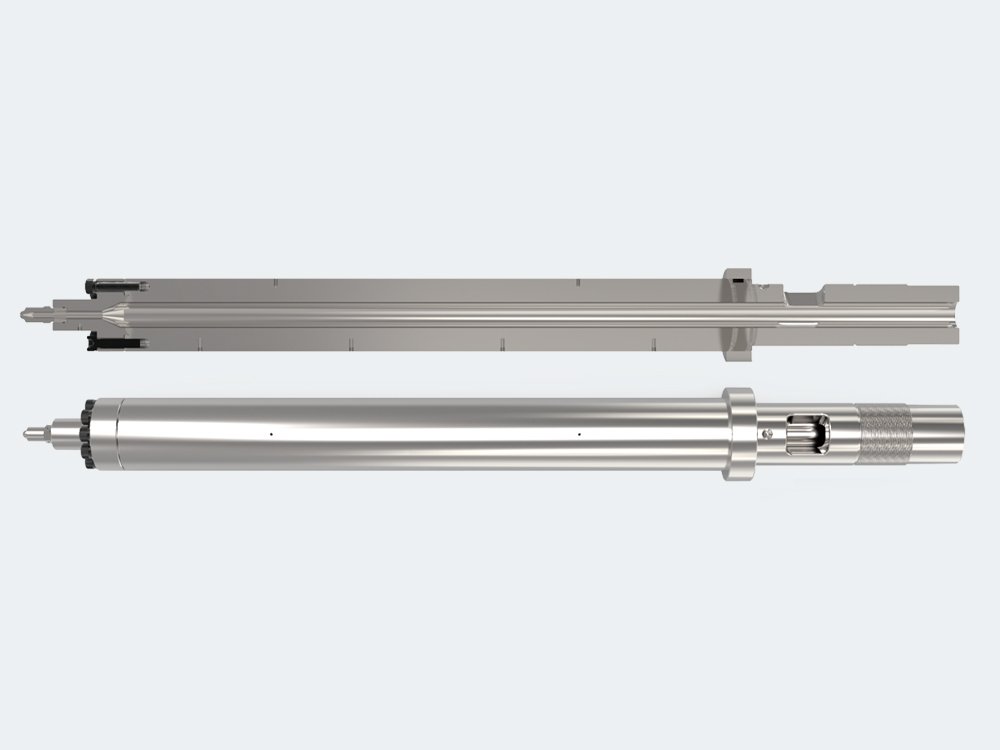
- 04Bimetallic barrels that hold bore tolerance and resist build-up.
- 05Consistent temperature-control guidance for the full plasticising zone.
Recommended Products
Applications / Materials
Engineering and high-temperature plasticsBiodegradable and bio-resinsMedical and food-grade productionTransparent and cosmetic parts
Frequently Asked Questions
Excessive residence time, high melt temperature, high shear and dead zones where material stagnates. A low-shear screw with smooth surface treatments and right-sized L/D reduces degradation.
Eliminate dead zones with an electropolished barrel and screw, control residence time, and hold consistent melt temperature. Bimetallic barrels resist buildup that causes specks.
A low-shear, low-compression geometry with smooth surfaces and a metering section matched to the resin and cycle. ROOTIER tunes geometry to the material and processing window.