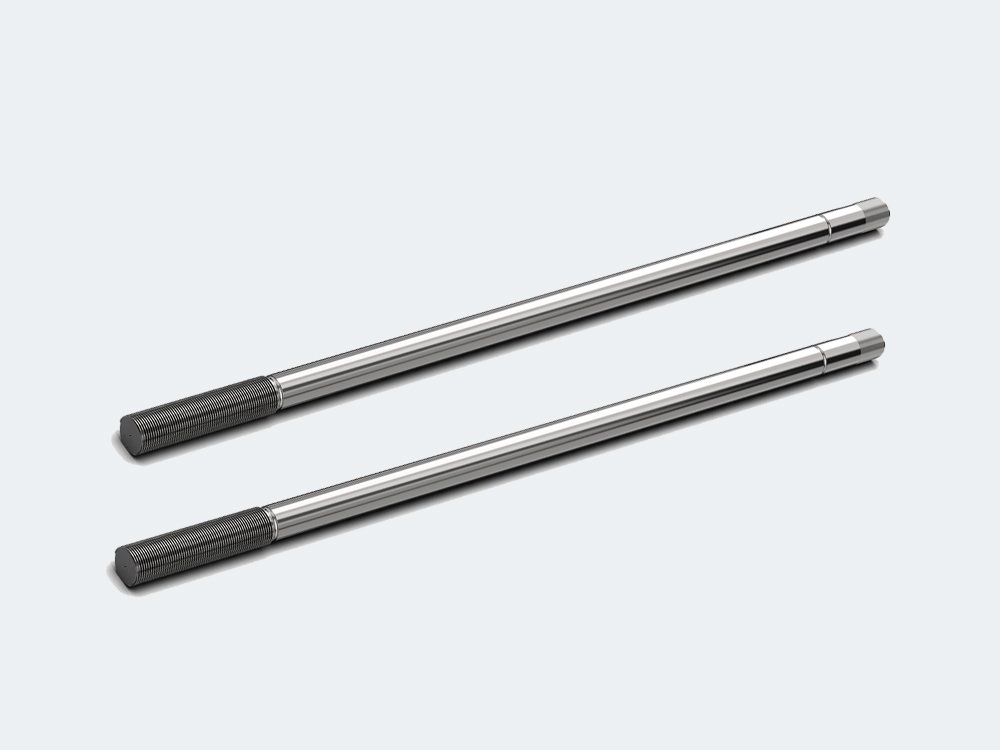
Injection Tie Bar
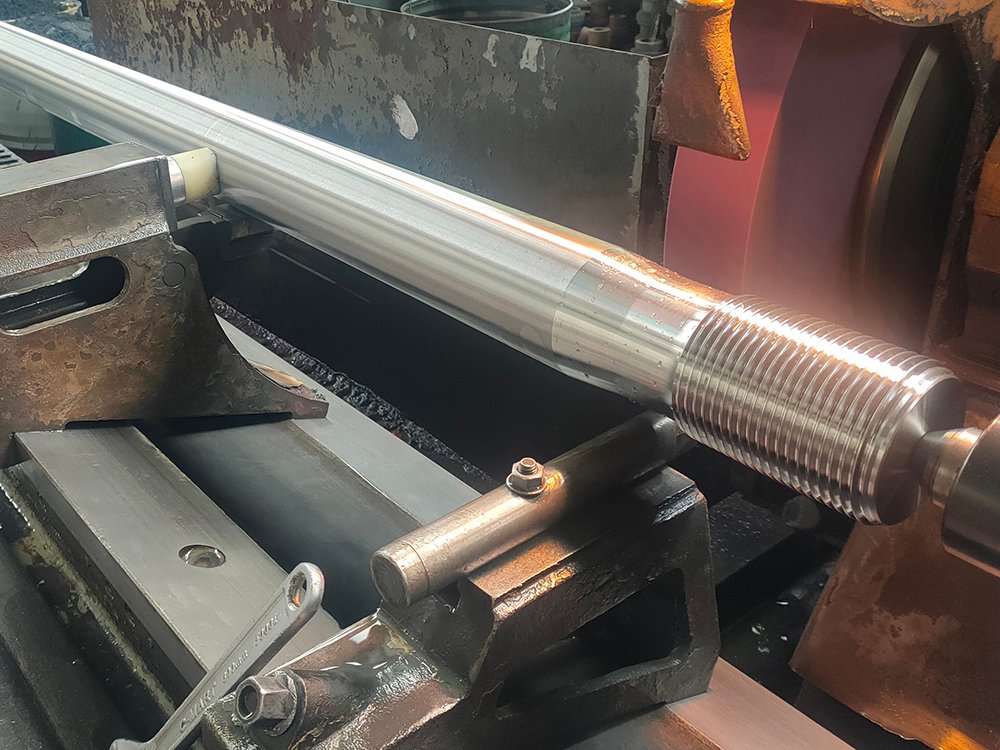
Injection tie bars are manufactured to drawing with verified straightness and fit for injection moulding and die casting machines. With a maximum machining length of 10,000 mm and extensive material inventory, they are available in 45#, 40Cr, 42CrMo and 38CrMoAlA with customized surface treatments.
Technical data
| Name | Tie Bar |
|---|---|
| Application | Injection Molding, Die Casting |
| Size Available | Diameter < Φ400mm, Length < 10,000mm |
| Material | 40Cr / 42CrMo / 38CrMoAla / SG4201H |
| Manufacturing | Drawing or Sample Based |
| Steel | Treatment | Hardness | Extension Strength (N/mm²) | Yield Strength (N/mm²) | Elongation (%) | Reduction (%) | Akv (J) |
|---|---|---|---|---|---|---|---|
| 45# | Chromed | 40-42 HRC | 600 | 355 | 14 | 40 | 31 |
| 40Cr | Chromed | 46-48 HRC | 980 | 785 | 9 | 45 | 47 |
| 42CrMo | Chromed | 46-48 HRC | 1080 | 930 | 12 | 45 | 63 |
| 38CrMoAlA | Nitrided | 950 HV | 980 | 835 | 14 | 50 | 71 |
Engineering highlights
- Customized Surface Treatments for Specific Applications
- Max. 10,000mm Machining Capability
- Extensive Material Inventory for Rapid Delivery
Frequently Asked Questions
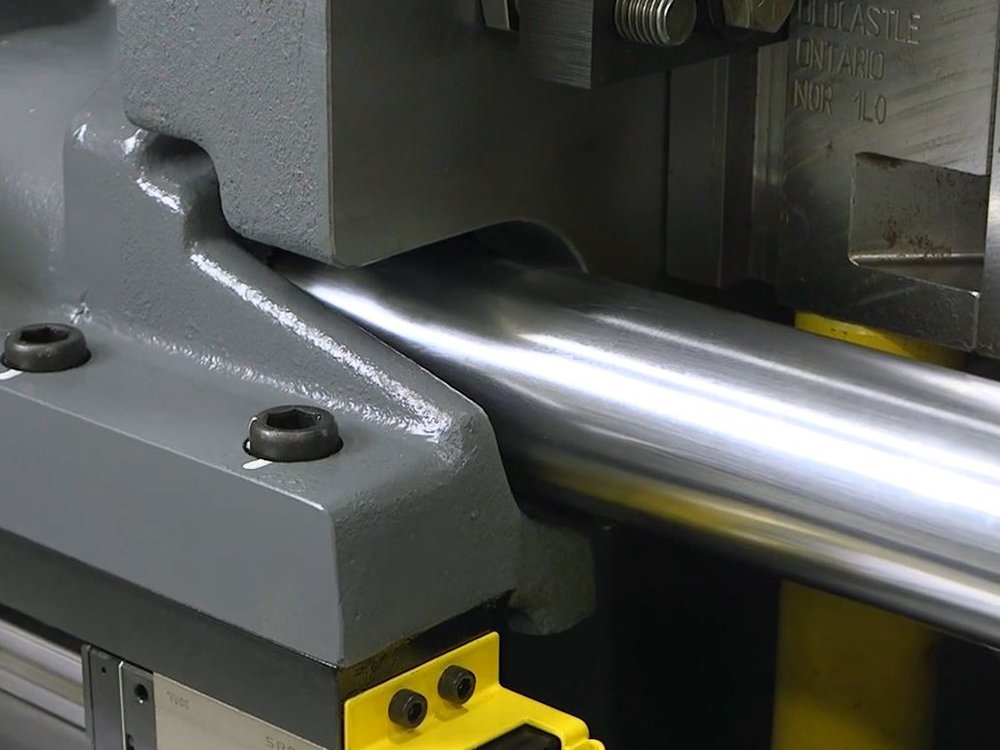
Tie bars connect and support the major sections of the machine clamping system and transfer clamping forces during mold closing and injection.
Repeated cyclic loading, excessive stress, improper alignment, fatigue, corrosion, and abnormal clamping conditions can contribute to tie bar damage or failure.
Tie bar deformation or uneven loading can affect clamping force distribution and mold alignment, potentially contributing to flash, uneven part quality, or machine problems.
Yes. ROOTIER can manufacture replacement tie bars according to machine specifications, dimensions, material requirements, and customer drawings.