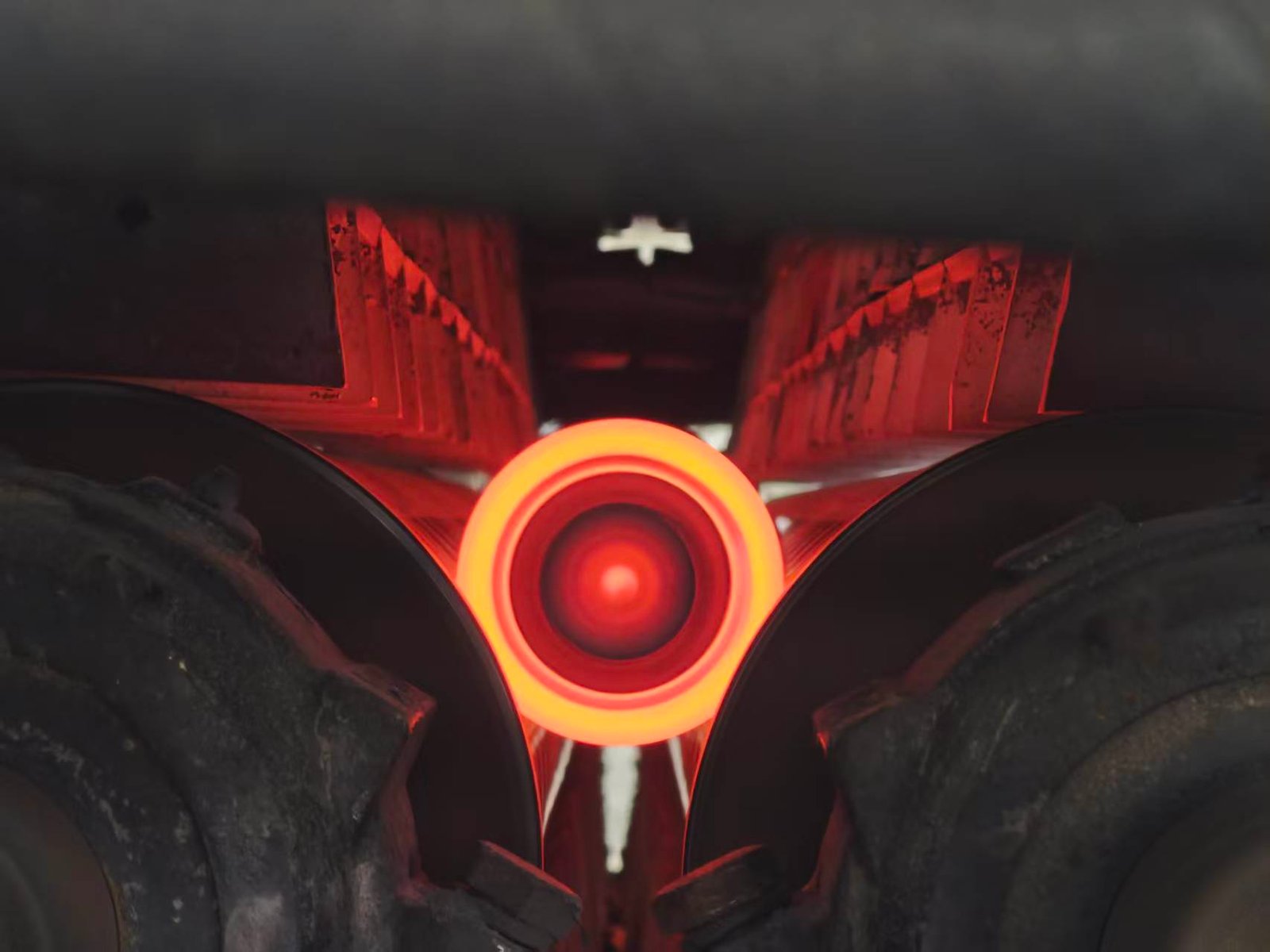
Problem
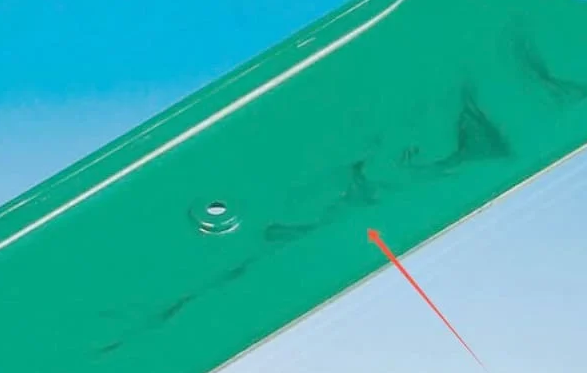
Parts show color streaks, unmixed pigment or uneven appearance because the masterbatch or pigment is not fully dispersed in the melt.
Typical Causes
- 01Insufficient mixing from a general-purpose screw with no mixing section.
- 02Short L/D ratio leaving inadequate residence and shear for dispersion.
- 03Worn or missing mixing elements reducing distributive and dispersive mixing.
- 04Incompatible masterbatch carrier resin with the base polymer.
- 05Low shear and low melt temperature preventing pigment wet-out.
Technical Challenges
- Achieving uniform color without over-shearing and degrading the resin.
- Consistent dispersion across long production runs.
- Matching masterbatch carrier to the base material.
- Keeping cycle speed while improving mix quality.
Rootier's Technical Solutions
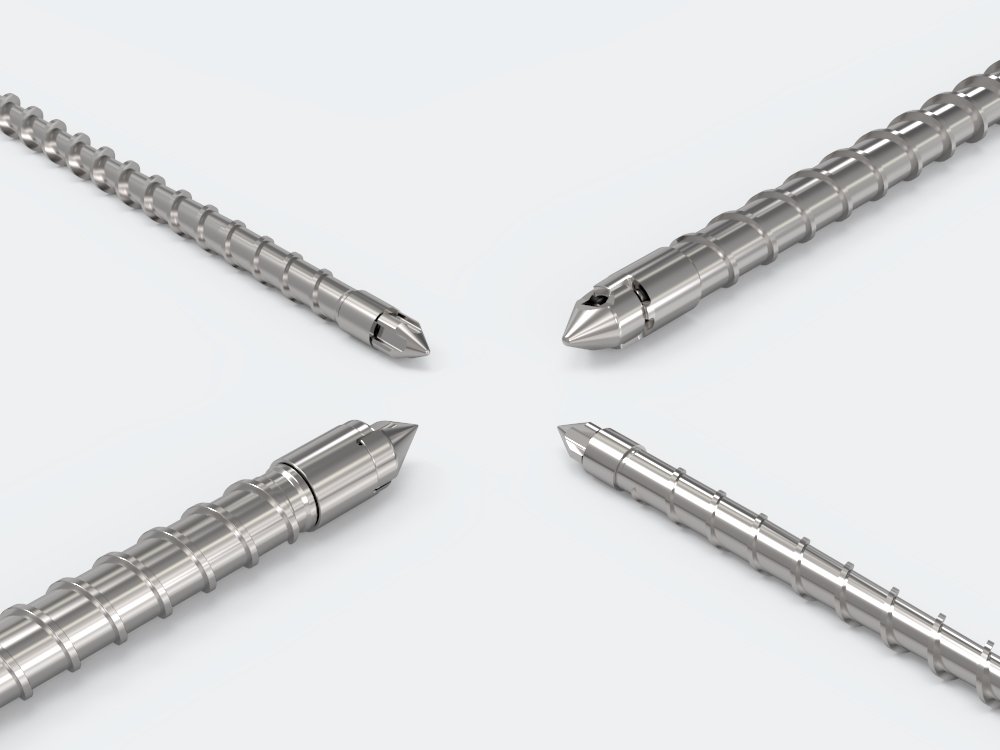
- 01Mixing screws (barrier / Maddox / pineapple) engineered for dispersive mixing.
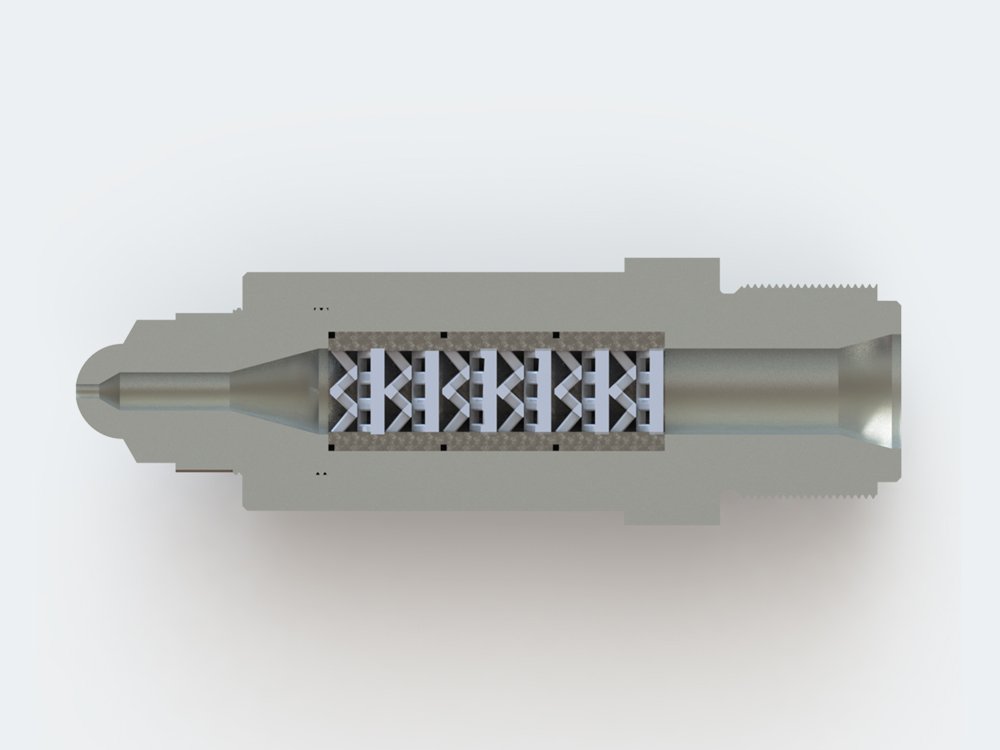
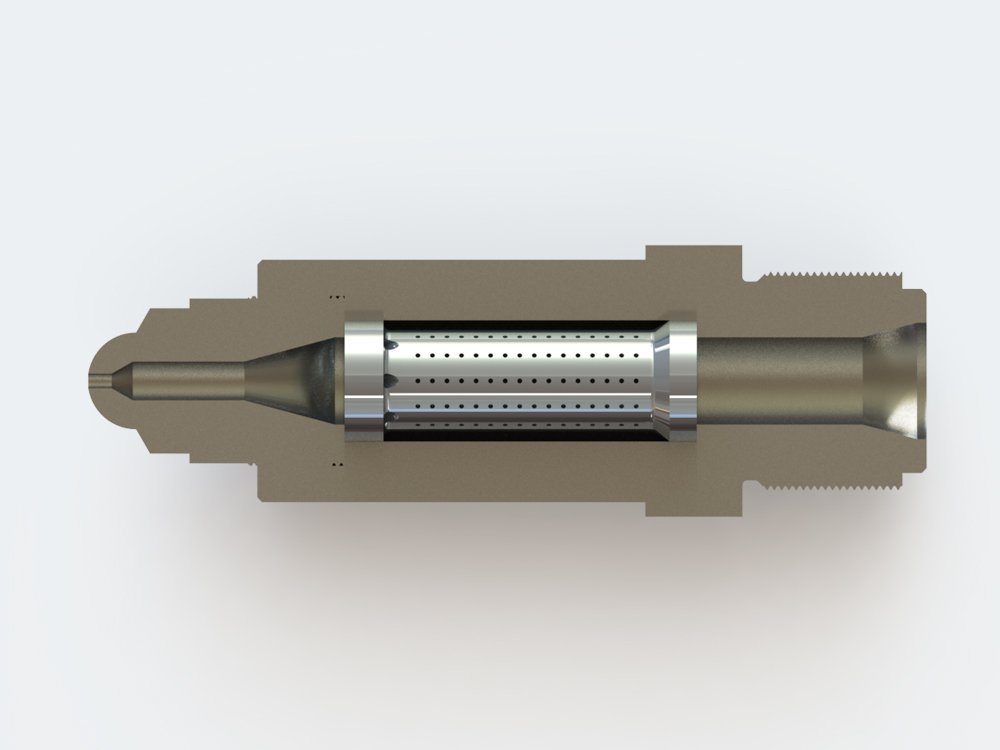
- 02Static mixer nozzles for final distributive mixing before the mould.
- 03Optimised L/D and compression ratio for full pigment wet-out.
- 04Surface treatments that reduce shear heat while improving flow.
- 05Geometry matched to the resin, colorant and let-down ratio.
Recommended Products
Applications / Materials
Consumer goods and appliancesAutomotive interior and exterior partsPackaging and closuresColored and additive compounds
Frequently Asked Questions
A mixing screw with barrier, Maddox or pineapple sections provides dispersive mixing, while a static mixer nozzle adds final distributive mixing before the mould for uniform color.
Streaks usually come from insufficient mixing, a short L/D, worn mixing elements, or an incompatible masterbatch carrier. ROOTIER matches screw geometry and L/D to your resin and let-down ratio.
A static mixer nozzle is an effective add-on for final distributive mixing, especially where the screw L/D cannot be changed. It complements, but does not replace, a proper mixing screw.